Health impacts of aflatoxin
Aflatoxin can kill you outright if you eat very highly contaminated food, but these tragedies are relatively rare. It does most of its damage slowly and silently, making it difficult to catch red-handed. Like an enemy within, it chips away at our defences and weakens us against other agents of sickness.
Almost everyone in Africa has been exposed to aflatoxin, building up in our bodies over years of low-level exposure. While we will never be able to pin down an exact number, it is clearly implicated in compromising the health of millions:
Aflatoxin causes liver cancer, and is responsible for at least 30% of cases in Africa. Liver cancer is one of the most prevalent and deadly cancers on our continent, many tens of thousands of people every year. Wherever aflatoxin contamination is highest, cancer cases rise too: in the aflatoxin hotspots of Mozambique you are sixty times more likely to suffer liver cancer than if you live in the USA.
Aflatoxin suppresses the immune system, and makes us weaker against other diseases, such as HIV/AIDS and malaria. It also makes vaccines less effective.
Aflatoxin damages the intestine, making us less able to digest food properly. It is linked to malnutrition and nutrient deficiencies.
In children, these negative health effects lead to stunted growth and poor development.
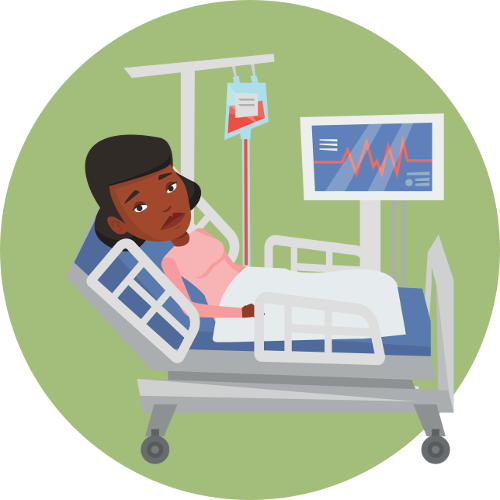
Babies and children
Our children are the most vulnerable people in our society. In their storybooks they are in constant danger from wicked fairies and big bad monsters, waiting to trick them and carry them off. Aflatoxin is no different, finding the easiest prey in small, developing bodies. It harms children’s growth, development and immunity to diseases.
During pregnancy, aflatoxin is able to cross the placenta and reach the foetus. It is linked to low birthweight in babies. In Kenya, three-quarters of newborns have already been exposed to the toxin.
Babies begin to consume aflatoxin the moment they are born. Of breastmilk samples from Tanzanian mothers, over 90% had aflatoxin levels over the safe limit for infant foods.
Weaning only increases babies’ toxin exposure, as many of the foods we give to infants to nourish them, such as maize, groundnuts and milk, are prone to aflatoxin contamination.
By the time they are toddlers, few African children have escaped aflatoxin. In Tanzania, one study found that 84% of babies had been exposed to the toxin at six months old, reaching 99% by their first birthday. Meanwhile in Uganda, 96% of babies and children under three have signs of aflatoxin in their systems.
These little ones are at the beginning of their journeys, and some as yet have accumulated only harmless amounts of aflatoxin. However, higher levels of toxin are clearly linked to stunted growth, nutrient deficiencies, and other indicators of poor child health.